How Often Should You Replace Your Toothbrush & Why It Matters
Advanced Dental Southern Highlands • December 14, 2025
Most people brush their teeth every day without giving much thought to the tool they are using. Toothbrushes are a routine part of daily life, yet they are often kept far longer than recommended. Over time, worn bristles, trapped bacteria and reduced cleaning ability can quietly undermine even the most consistent oral hygiene habits.
If you are looking for guidance from a
dentist in Moss Vale, understanding why and when to replace your toothbrush is a simple but important step toward maintaining good oral health. Small changes to daily routines can make a meaningful difference when it comes to protecting teeth, gums and overall wellbeing.
Why Your Toothbrush Plays a Bigger Role Than You Think
A toothbrush is designed to remove plaque, food particles and bacteria from the surfaces of your teeth and along the gumline. When it is in good condition, it supports effective cleaning with minimal effort. As it wears down, however, its ability to clean thoroughly is reduced.
A toothbrush that is no longer effective may:
- Leave plaque behind, especially along the gum margins
- Miss hard-to-reach areas between teeth
- Require more pressure, increasing the risk of gum irritation
Because brushing is such a frequent activity, even small reductions in effectiveness can add up over time, making toothbrush condition more important than many people realise.
How Often Should You Replace Your Toothbrush?
Dental professionals generally recommend replacing your toothbrush every three months, or sooner if it shows signs of wear. This guideline applies to both manual and electric toothbrush heads.
Situations where replacement should happen earlier include:
- Bristles that are frayed, flattened or bent
- Illness such as a cold or flu, which can leave bacteria on the brush
- isible discolouration or residue on the bristles
Replacing your toothbrush regularly ensures that your daily brushing routine remains effective and hygienic rather than working against your oral health goals.
What Happens When You Keep a Toothbrush Too Long?
Using an old toothbrush may feel harmless, but over time it can compromise oral hygiene in subtle ways. Worn bristles are less effective at disrupting plaque, allowing bacteria to build up along teeth and gums.
Potential consequences include:
- Increased plaque accumulation
- Higher risk of gum inflammation
- Reduced cleaning efficiency even with proper technique
A toothbrush that no longer performs well can quietly undo good brushing habits, making it harder to maintain healthy teeth and gums despite daily effort.
Signs Your Toothbrush Needs Replacing
Sometimes the need for a new toothbrush is obvious, while other times it is easy to overlook. Learning to recognise the signs can help prevent unnecessary wear on your teeth and gums.
Common indicators include:
- Bristles that no longer stand upright
- A rough or uncomfortable brushing sensation
- Difficulty achieving a clean feeling after brushing
If brushing feels less effective or more abrasive than usual, it may be time to replace your toothbrush rather than adjusting your technique.
Toothbrush Hygiene and Bacteria Build-Up
Even with regular rinsing, toothbrushes can harbour bacteria over time. Moist environments, such as bathrooms, provide ideal conditions for microorganisms to thrive on bristles, particularly when brushes are stored in closed containers or placed too closely together.
Good hygiene practices include:
- Rinsing thoroughly after each use
- Storing the toothbrush upright to air-dry
- Avoiding contact with other toothbrush heads
Replacing your toothbrush regularly helps reduce prolonged exposure to bacteria that can otherwise re-enter the mouth during brushing.
Manual vs Electric Toothbrush Heads
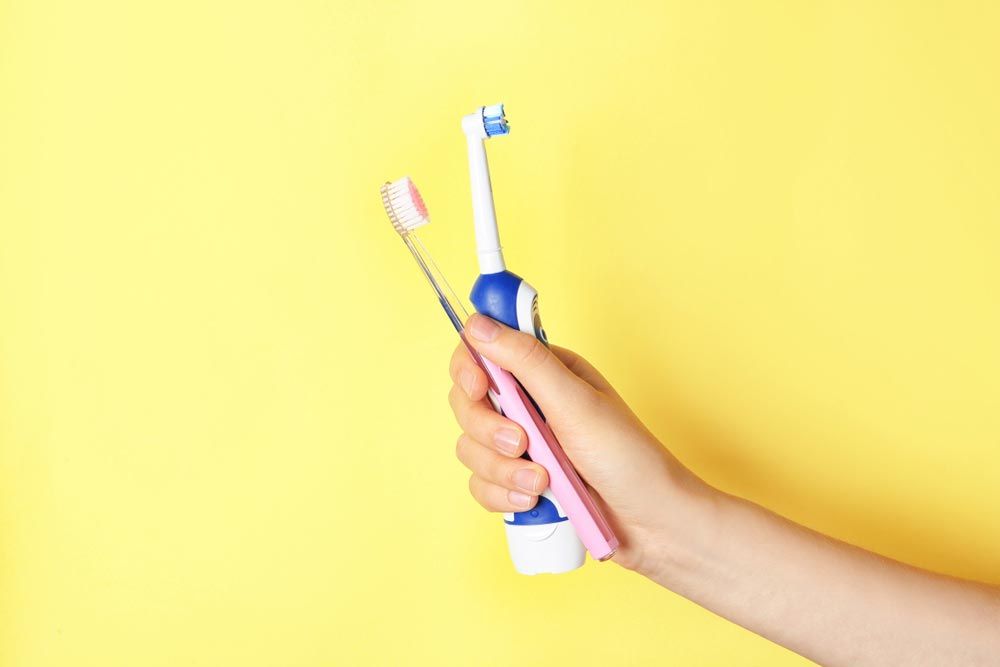
Both manual and electric toothbrushes require regular replacement to remain effective. While electric brushes often provide consistent motion, their heads still wear down over time.
Considerations for each type include:
- Manual brushes rely entirely on bristle condition and technique
- Electric brush heads lose effectiveness as bristles soften
- Replacement intervals are similar for both options
Regardless of brush type, routine replacement ensures that the cleaning action remains gentle yet thorough.
Toothbrush Wear & Gum Health
Excessively worn toothbrushes can affect both gum health and tooth surfaces. When bristles lose their shape, users may press harder to compensate, which can cause irritation to the gums.
This can contribute to:
- Gum tenderness or bleeding
- Recession along the gumline
- Increased sensitivity over time
Using a fresh toothbrush supports gentle, controlled brushing that protects gum tissue rather than placing it under unnecessary stress.
Replacing Toothbrushes for Children & Teenagers
Children’s toothbrushes often wear out faster than adult brushes due to enthusiastic brushing or chewing on bristles. Monitoring brush condition is especially important for younger users.
Parents should watch for:
- Flattened or chewed bristles
- Brushes that appear worn before three months
- Reduced effectiveness during supervised brushing
Replacing toothbrushes regularly helps support the development of oral hygiene habits and reinforces the importance of caring for dental tools properly.
Toothbrush Replacement as Part of Preventive Dental Care
Toothbrush replacement works best when combined with broader preventive care. Brushing twice daily with a suitable toothpaste, flossing and attending regular dental check-ups all contribute to long-term oral health.
Preventive habits include:
- Using a soft-bristled toothbrush
- Replacing toothbrushes on schedule
- Seeking guidance when brushing causes discomfort
Guidance on toothbrush care is often part of broader oral health advice aimed at protecting teeth and gums over time. Your local dentist in Moss Vale can help explain how small daily habits support long-term oral health.
Simple Habits That Make Toothbrush Replacement Easier
Many people forget when they last changed their toothbrush. Creating small reminders can make replacement more consistent and less of an afterthought.
Helpful strategies include:
- Changing toothbrushes at the start of each season
- Setting calendar reminders every three months
- Replacing brushes after illness automatically
These habits help ensure your brushing routine stays effective without requiring extra effort or guesswork.
Supporting Oral Health With the Right Dental Guidance
If you are unsure whether your toothbrush, brushing technique or routine is supporting your oral health, professional guidance can help clarify next steps. A Moss Vale dental clinic can offer personalised advice based on your individual needs and oral health goals.
Regular dental visits may include:
- Reviewing brushing techniques
- Recommending suitable toothbrush types
- Identifying early signs of gum or enamel issues
These conversations support informed choices rather than relying on assumptions or habits formed years earlier.
When to Check In With Your Local Moss Vale Dental Clinic
Brushing is only one part of oral health, but it plays a foundational role. If you experience persistent gum sensitivity, plaque build-up or uncertainty about your brushing routine, it may be worth discussing with a dental professional.
Your local Moss Vale dental clinic can help assess whether everyday habits, including toothbrush replacement, are supporting your oral health or need adjustment.
Practical Oral Care Support You Can Rely On
At Advanced Dental, we support patients by providing practical guidance on everyday oral care, including brushing routines and recommendations for toothbrush replacement. As a dentist in Moss Vale, we focus on education, prevention and helping patients understand how small habits can influence their long-term oral health. Whether you have questions about toothbrush wear, gum health or maintaining an effective routine, our team is here to help. If you would like personalised advice or a routine dental check-up, we invite you to contact us and book an appointment.