What Is Sleep Apnoea & Why Is It A Dental Issue Too?
Advanced Dental Southern Highlands • December 18, 2025
Snoring is often dismissed as an inconvenience rather than a health concern. Many people assume it is simply a side effect of a long day, a blocked nose or sleeping on the wrong pillow. However, persistent snoring can sometimes be linked to sleep apnoea, a condition that affects breathing during sleep and disrupts the body’s ability to rest and recover properly. Because the signs are not always obvious, sleep apnoea can go undetected for years.
If you are looking for a
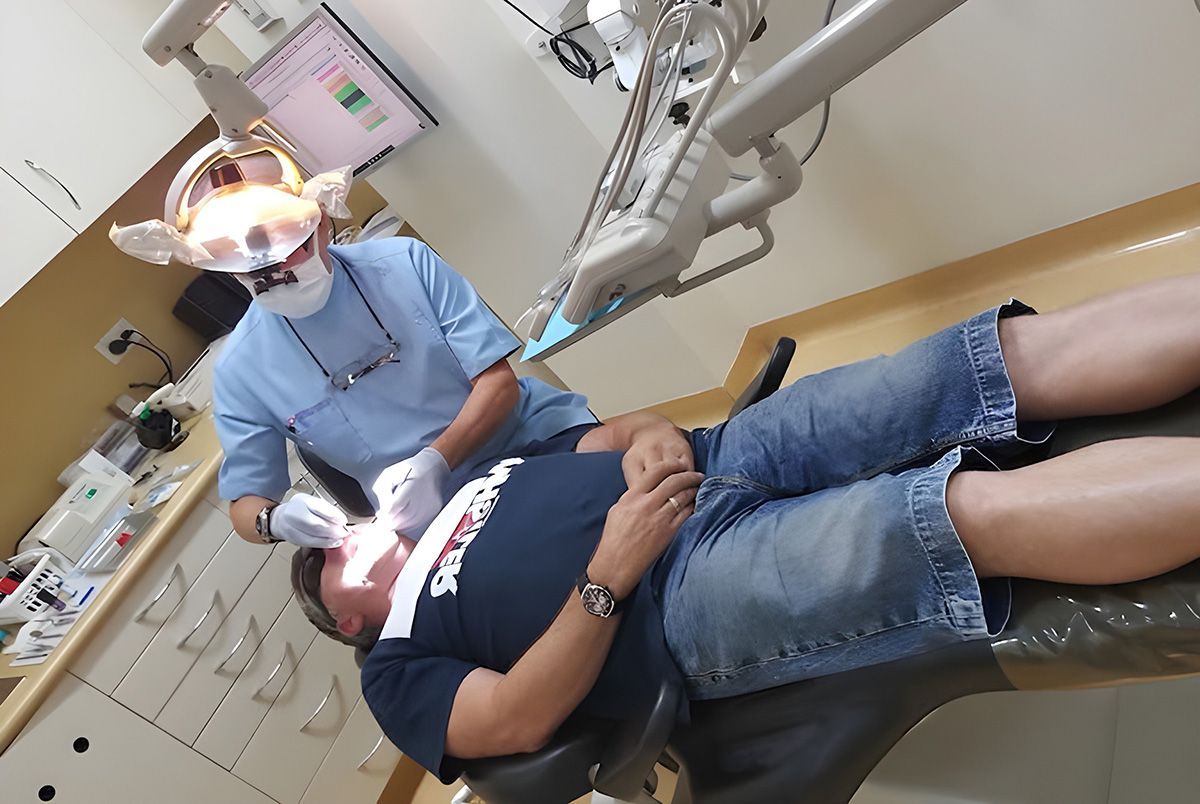
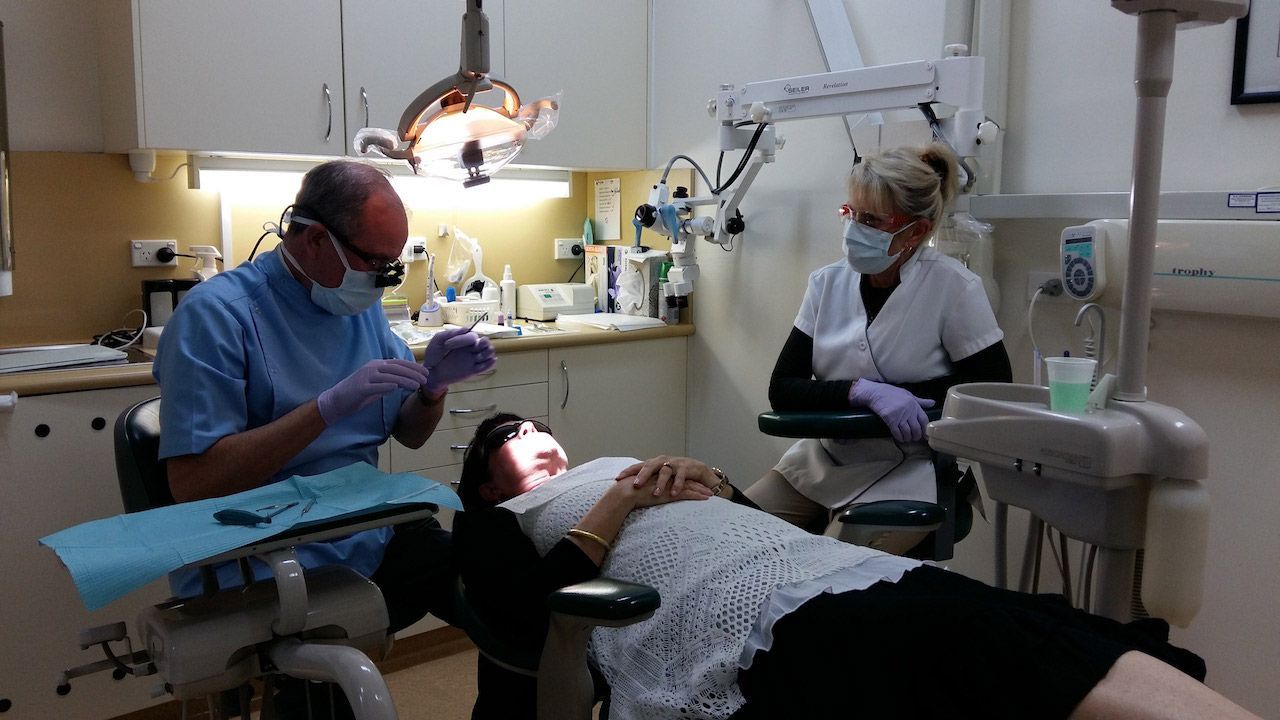
dentist in Moss Vale, NSW, you may not realise that dental professionals can play a role in recognising possible signs of sleep-related breathing issues. Dentists regularly assess the mouth, jaw and airway structures, placing them in a unique position to notice patterns that may warrant further attention or discussion.

Understanding What Sleep Apnoea Really Is
Sleep apnoea occurs when airflow is repeatedly restricted or interrupted during sleep. These interruptions can happen dozens of times per hour, often without the person being aware of them. Each pause in breathing reduces oxygen levels and disrupts the normal sleep cycle.
Key characteristics of sleep apnoea include:
- Partial or complete blockage of the airway during sleep
- Repeated breathing pauses followed by gasping or snorting
- Fragmented sleep that limits restorative rest
Over time, this pattern can affect physical health, mental clarity and overall wellbeing. While diagnosis is managed by medical professionals, recognising early warning signs is an important first step.
Snoring & Sleep Apnoea Are Not the Same Thing
Not all snoring is linked to sleep apnoea, but ongoing loud snoring should not be ignored. Simple snoring occurs when relaxed tissues vibrate as air passes through the throat. Sleep apnoea, by contrast, involves actual obstruction of airflow.
Differences that matter include:
- Snoring alone does not usually stop breathing
- Sleep apnoea involves repeated airflow interruptions
- Apnoea often leads to excessive daytime fatigue
Understanding this difference helps individuals decide when snoring may be worth discussing with a healthcare provider rather than treating it as harmless.
Common Signs & Symptoms Adults Should Pay Attention To
Sleep apnoea symptoms in adults often develop gradually. Many people attribute fatigue or headaches to stress or busy routines, rather than disrupted sleep.
Adults may notice:
- Loud or persistent snoring
- Morning headaches or dry mouth
- Difficulty concentrating during the day
- Ongoing tiredness despite adequate sleep
Your Moss Vale dentist may observe oral features such as jaw positioning, tooth wear or airway narrowing that can sometimes be associated with sleep-related breathing concerns.
How Sleep Apnoea Can Affect Children Differently
Sleep apnoea can also affect children, though symptoms may differ from those seen in adults. Rather than appearing tired, children may become restless or irritable.
Possible signs in children include:
- Mouth breathing or noisy sleep
- Difficulty focusing at school
- Behavioural changes or hyperactivity
- Bedwetting beyond expected developmental stages
Early awareness is important, as disrupted sleep during childhood can influence learning, development and emotional regulation.
Why Dentists Are Involved in Sleep Health Conversations
Dentists assess areas of the body that influence airflow, including the teeth, jaw and surrounding oral structures. During routine check-ups, they may notice physical characteristics that can contribute to airway restriction during sleep.
Dental involvement may include:
- Observing jaw alignment and oral anatomy
- Identifying tooth wear linked to clenching or grinding
- Discussing reported sleep symptoms with patients
Dentists do not diagnose sleep apnoea, but they can help identify potential concerns and guide patients toward appropriate next steps when needed.
Dental Appliances & Their Role in Managing Snoring
For some people with mild to moderate sleep apnoea or problematic snoring, dental appliances may be recommended following appropriate assessment. These devices are designed to support airflow by adjusting jaw position during sleep.
Dental sleep appliances may:
- Help reduce airway collapse overnight
- Be custom-made for comfort and fit
- Offer an option for those unable to tolerate other therapies
Any dental-based approach is typically part of a broader care plan and may involve collaboration with medical providers to ensure suitability and safety.
Working Alongside Medical Professionals Matters
Sleep apnoea management often requires a collaborative approach. Dentists may refer patients for further assessment if symptoms suggest the need for a sleep study or medical evaluation.
Collaborative care may involve:
- Referrals for diagnostic testing where appropriate
- Ongoing communication between providers
- Monitoring symptom changes over time
This shared approach helps ensure that individuals receive well-rounded support without replacing medical diagnosis or treatment.
The Long-Term Impact of Disrupted Sleep on Daily Life
Sleep that is regularly interrupted can affect more than just how rested you feel in the morning. Over time, fragmented sleep may influence mood, concentration and the body’s ability to recover from everyday stress. Many people adjust to feeling tired and assume it is normal, without realising that poor-quality sleep can gradually affect both physical and mental wellbeing.
Ongoing sleep disruption may contribute to:
- Reduced focus and memory during work or school hours
- Increased irritability or difficulty managing stress
- Lower energy levels that affect motivation and daily routines
Because these changes often occur slowly, they are easy to overlook. Discussing sleep concerns during routine healthcare visits can help bring attention to patterns that may otherwise go unnoticed, allowing individuals to explore appropriate next steps with the right professionals.
Why Early Awareness Matters Even When Symptoms Seem Mild
Many people live with disrupted sleep for years without realising its potential impact. Snoring, waking during the night or feeling tired during the day can feel manageable at first, especially when life is busy. However, ongoing sleep disruption can quietly influence overall health, work performance and quality of life over time.
Early awareness allows individuals to:
- Recognise patterns that may not feel urgent but are persistent
- Seek guidance before symptoms begin to affect daily functioning
- Make informed decisions about whether further assessment is appropriate
Raising sleep concerns early does not mean assuming the worst. Instead, it creates space for conversation, observation and support. When discussed during routine healthcare visits, these concerns can be considered in context, helping people better understand their sleep and take thoughtful next steps when needed.
When to Speak With Your Local Moss Vale Dentist
Persistent snoring, poor-quality sleep or ongoing fatigue should not be overlooked. Even subtle changes in sleep patterns can indicate underlying issues that warrant discussion with a healthcare professional.
It may be time to seek advice if:
- Snoring is loud, frequent or worsening
- Sleep feels unrefreshing night after night
- A partner notices breathing pauses during sleep
Your local Moss Vale dentist may be able to recognise contributing oral factors and discuss whether further assessment could be helpful as part of a broader care pathway.
Supporting Sleep Health Through Dental Care
We at Advanced Dental support patients by recognising oral and airway factors that may contribute to disrupted sleep. As a dentist in Moss Vale, NSW, our role includes discussing concerns, identifying potential signs during dental examinations and guiding patients toward appropriate options when snoring or sleep-related issues arise. We focus on education, careful assessment and collaboration with other healthcare providers to ensure patients receive informed and responsible support. If sleep concerns are affecting you or your child, we encourage you to get in touch to discuss available options and appropriate next steps.