Nervous About The Dentist? How We Make Dental Visits Comfortable & Stress-Free
Advanced Dental • July 4, 2026
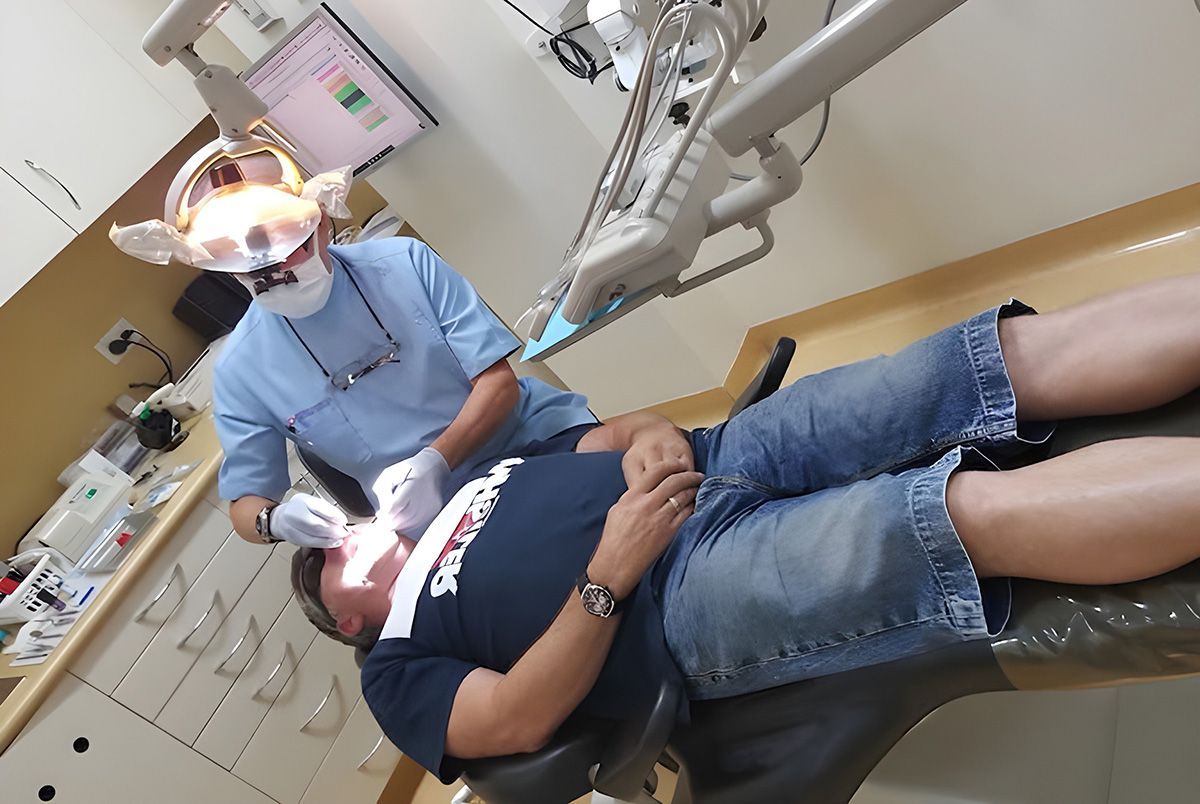
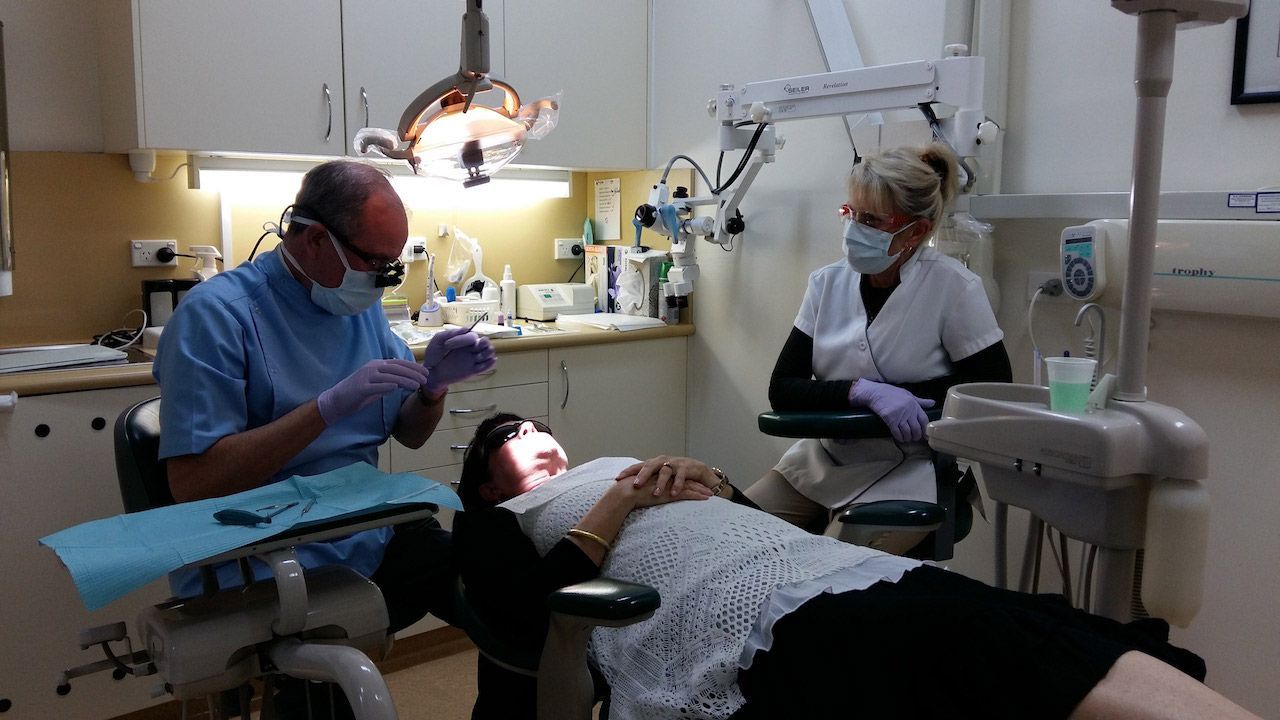
Dental anxiety is one of the main reasons people delay treatment, letting small issues grow into bigger, costlier problems. For anyone searching for a dentist in Moss Vale, understanding what causes that anxiety, and how a modern dental practice can ease it, often makes the difference between booking an appointment and putting it off again. Regular care doesn't need to feel confronting, and small changes in how a visit is run can shift a stressful experience into a manageable one.
The good news is that anxiety around dental visits is well understood, and most of what makes an appointment feel difficult can be addressed with a few practical adjustments. From how a practice communicates through to the pace of treatment itself, small details tend to matter more than people expect.
What Causes Dental Anxiety & How Can a Dentist in Moss Vale Help You Feel More Comfortable?
Dental anxiety rarely appears out of nowhere. It often builds from childhood experiences, stories shared by family or friends, or a single uncomfortable appointment that left a lasting impression. For some people, the issue isn't pain itself, but the feeling of losing control once the chair reclines. In many cases, it's a combination of several smaller worries rather than one single cause.
Common triggers include:
- A previous rushed or painful appointment
- The sound of dental equipment
- Feeling unable to communicate during treatment
- Uncertainty about what a procedure involves
Recognising these triggers is the first step towards reducing them. When a dental clinic in Moss Vale takes time to address each one individually, appointments become far less daunting.
How Does Clear Communication Reduce Dental Anxiety?
Nervous patients often feel calmer once they understand exactly what's happening and why. Explaining each step before it begins gives people a sense of control, even while lying back in the chair. This matters just as much for a routine check-up as it does for a more involved procedure.
Simple communication habits make a noticeable difference:
- Talking through the procedure in plain language before starting
- Inviting questions at any point
- Agreeing on a hand signal to pause if needed
- Checking in regularly during longer treatments
None of these steps take long, but together they change how an appointment feels. A short conversation at the start often does more to settle nerves than anything else.
What Can You Expect From the Moment You Arrive?
A calmer visit often starts before any treatment begins. The way a practice manages check-in, waiting times and introductions can shape how a patient feels for the rest of the appointment.
A steadier arrival experience usually includes:
- A relaxed, unhurried waiting area
- Minimal wait time between arrival and appointment
- An introduction to the team member providing treatment
- Time to ask questions before any equipment is used
First impressions matter, particularly for anyone who has avoided visits for years. An unrushed start often makes the rest of the appointment feel more manageable, and it sets a tone that carries through the whole visit.
What Gentle Treatment Techniques Help Reduce Discomfort?
Modern dentistry has moved away from a one-size-fits-all approach. Pacing, pressure and technique can all be adjusted depending on how a patient is feeling in the moment.
Gentler approaches often involve:
- Slower, more deliberate movements during procedures
- Smaller instruments where appropriate
- Warmed materials for added comfort
- Built-in breaks during longer appointments
These adjustments might seem small individually, but combined, they can turn a tense appointment into a far more manageable one. Patients are encouraged to say if something feels uncomfortable, so changes can be made straight away.
What Pain Management Options Are Available for Anxious Patients?
Fear of pain is one of the most common reasons people delay dental visits. Talking through pain management options beforehand can ease a lot of that worry, since much of the fear tends to come from not knowing what a procedure will actually feel like.
Options that may be discussed include:
- Topical numbing gel applied before an injection
- A gradual approach to administering local anaesthetic
- Sedation options for patients with higher levels of anxiety
- A clear plan for managing discomfort after treatment
Having this conversation before treatment starts means there are fewer surprises partway through. Patients can raise concerns about pain at any stage, not just at the beginning.
What Techniques & Technologies Make Modern Dental Visits More Comfortable Than Ever?
Dental technology has changed significantly over the past decade, and much of it directly benefits anxious patients. Faster, quieter equipment often means less time in the chair and fewer unfamiliar sounds.
Helpful advances include:
- Digital X-rays, which are quicker and involve lower radiation exposure
- Intraoral cameras, so patients can see what the dentist sees
- Quieter handpieces and suction equipment
- Appointment reminders and pre-visit information sent in advance
Seeing a procedure explained visually, rather than just described verbally, often removes a lot of the uncertainty that fuels anxiety in the first place. This is one of the areas where visiting a dentist in Moss Vale, NSW today can feel quite different from appointments patients might remember from years ago, since much of the older, noisier equipment has largely been replaced.
How Can Anxious Children & Teenagers Feel More at Ease?
Building trust early can shape how a child feels about dental visits for years to come, particularly when appointments involve careful, age-appropriate communication.
Approaches that help younger patients include:
- Using simple, non-frightening language to describe treatment
- Allowing a parent to stay close during the appointment
- Starting with short, low-pressure visits to build familiarity
- Positive reinforcement after each appointment, however small the step
Teenagers often respond well to being spoken to directly, rather than through a parent. Treating them as capable of understanding their own care can reduce resistance considerably.
Why Do Regular Dental Visits Matter More Than Putting Off an Appointment?
Avoiding the dentist might feel like the easier option in the short term, but it often leads to bigger problems later on. Small issues caught early are usually simpler to manage than those left untreated for years.
Regular visits offer several advantages:
- Early detection of decay or gum concerns before they worsen
- Familiarity with the dental team, which can reduce anxiety over time
- Fewer surprises, since problems are less likely to build up unnoticed
- A gradual, ongoing sense of comfort with the process
Each calm visit tends to make the next one easier. Over time, many patients find that the anxiety they once felt fades as familiarity builds.
Taking the Next Step Towards a Calmer Dental Visit
At Advanced Dental Southern Highlands, dental anxiety is treated as a genuine part of the conversation, not something to push past quietly. If nerves, past experiences or simply not knowing what to expect have kept you from booking, that hesitation makes sense, and it's worth addressing before anything else happens. Choosing a dentist in Moss Vale who takes the time to talk through each step can turn a visit you've been putting off into one you're ready for. Even one calm, unhurried appointment can shift how the next one feels. Reaching out to arrange an appointment is often the hardest part, and the rest tends to follow more easily than expected.
Frequently Asked Questions
What is the main cause of dental anxiety?
Dental anxiety often stems from a previous negative or rushed experience, stories from family or friends, or general discomfort with feeling out of control during treatment. It can affect adults, teenagers and children differently, but recognising the cause is often the first step towards managing it.
Can a dentist help with dental phobia?
Many dental practices adjust their communication, pacing and treatment approach for anxious patients. Simple changes such as explaining each step, agreeing on pause signals and offering breaks can make a noticeable difference.
Are there pain-free options for anxious dental patients?
Numbing gel, gradual anaesthetic administration and sedation options can all be discussed before treatment begins. The right approach depends on the individual and the procedure involved.
How can I help my child feel less scared of the dentist?
Using simple, non-frightening language, starting with short low-pressure visits and staying close during the appointment can all help. Positive reinforcement after each visit also builds familiarity over time.
Why is it important to keep up with regular dental check-ups?
Regular visits allow small issues to be caught early, before they turn into bigger and more complicated problems. They also help build familiarity with the dental team, which can reduce anxiety over time.