What Causes Bad Breath And How Can A Dentist Help?
Advanced Dental • July 28, 2026
Bad breath, also known as halitosis, is a common concern for many people and can affect confidence in social and professional situations. Residents often search for a dentist Moss Vale locals trust when persistent bad breath does not improve with brushing or mouthwash alone. Understanding the underlying causes is an important first step towards managing the issue effectively and supporting better oral health.
A Moss Vale dentist can help identify why bad breath is occurring and recommend appropriate care based on individual circumstances. In many cases, halitosis is linked to oral health conditions that benefit from professional assessment rather than home remedies alone.
The Most Common Causes of Bad Breath
Bad breath can develop for several reasons, some of which are temporary, while others are ongoing. Identifying the source helps determine the most appropriate way to manage it.
Common causes include:
- Bacteria build-up on teeth and tongue
- Food particles trapped between teeth
- Dry mouth reducing saliva flow
- Gum disease or inflammation
- Dental decay or infection
While occasional bad breath is normal, persistent odour often points to an underlying oral health issue.
How Poor Oral Hygiene Contributes to Bad Breath
Oral hygiene plays a significant role in breath freshness. When plaque and food debris are not removed effectively, bacteria thrive and produce unpleasant odours.
Poor oral hygiene may lead to:
- Plaque accumulation along the gum line
- Bacteria on the tongue surface
- Increased risk of tooth decay
- Irritation or inflammation of gums
A dentist Moss Vale residents rely on can assess daily hygiene habits and provide guidance on techniques that better support oral cleanliness.
The Role of Gum Disease in Halitosis
Gum disease is a common cause of ongoing bad breath. As gums become inflamed, pockets can form around teeth where bacteria collect and are difficult to remove with brushing alone.
Signs that gum disease may be contributing to bad breath include:
- Bleeding gums during brushing or flossing
- Persistent bad taste in the mouth
- Red or swollen gums
- Gum tenderness or recession
A Moss Vale dentist can assess gum health and recommend appropriate treatment to manage inflammation and bacterial build-up.
Dry Mouth and Its Impact on Breath
Saliva plays an important role in keeping the mouth clean by washing away food particles and neutralising acids. When saliva flow is reduced, bacteria can multiply more easily.
Dry mouth may be caused by:
- Certain medications
- Dehydration
- Mouth breathing
- Medical conditions affecting saliva production
Managing dry mouth often involves addressing the underlying cause and may require professional input.
Dental Decay and Infection
Cavities, cracked teeth, or dental infections can also contribute to bad breath. These conditions create spaces where bacteria can accumulate and produce odour.
Potential indicators include:
- Tooth sensitivity or pain
- Visible holes or dark spots on teeth
- Swelling around gums
- Ongoing unpleasant taste
A dentist Moss Vale patients visit for routine care can identify these issues early and discuss suitable treatment options.
How a Dentist Can Help Diagnose the Cause
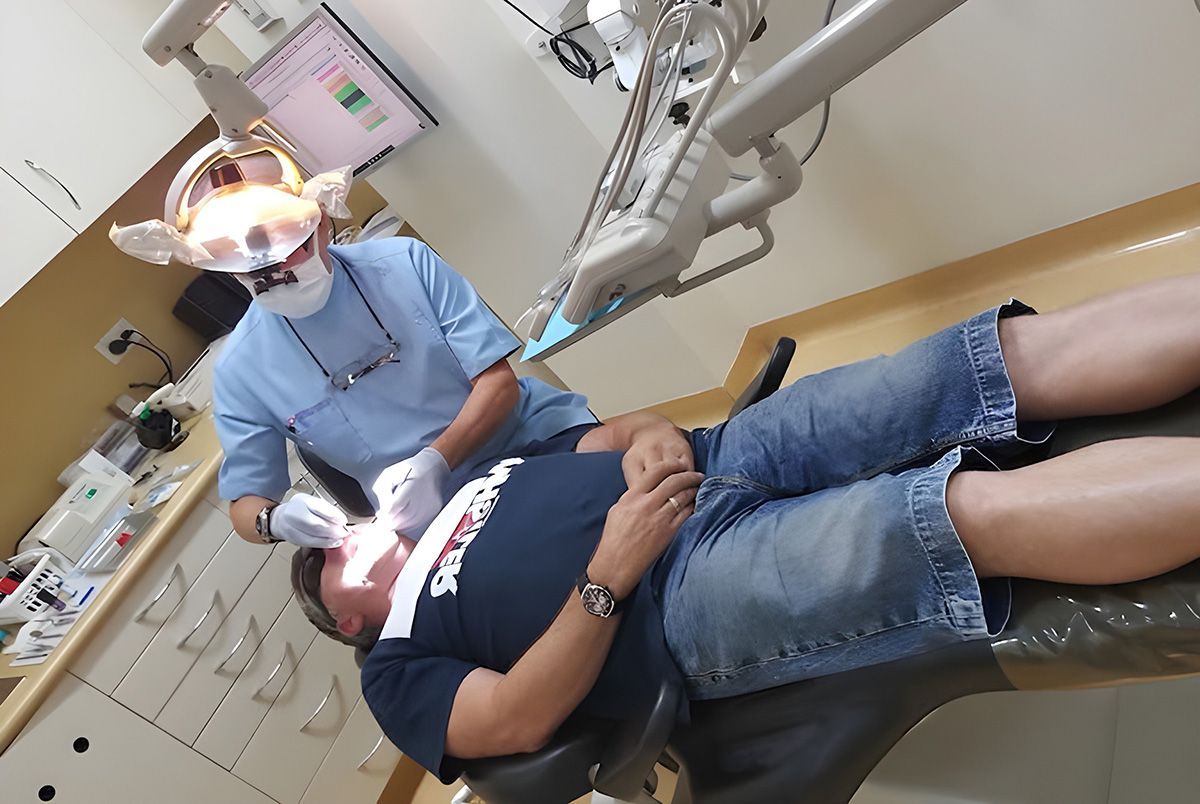
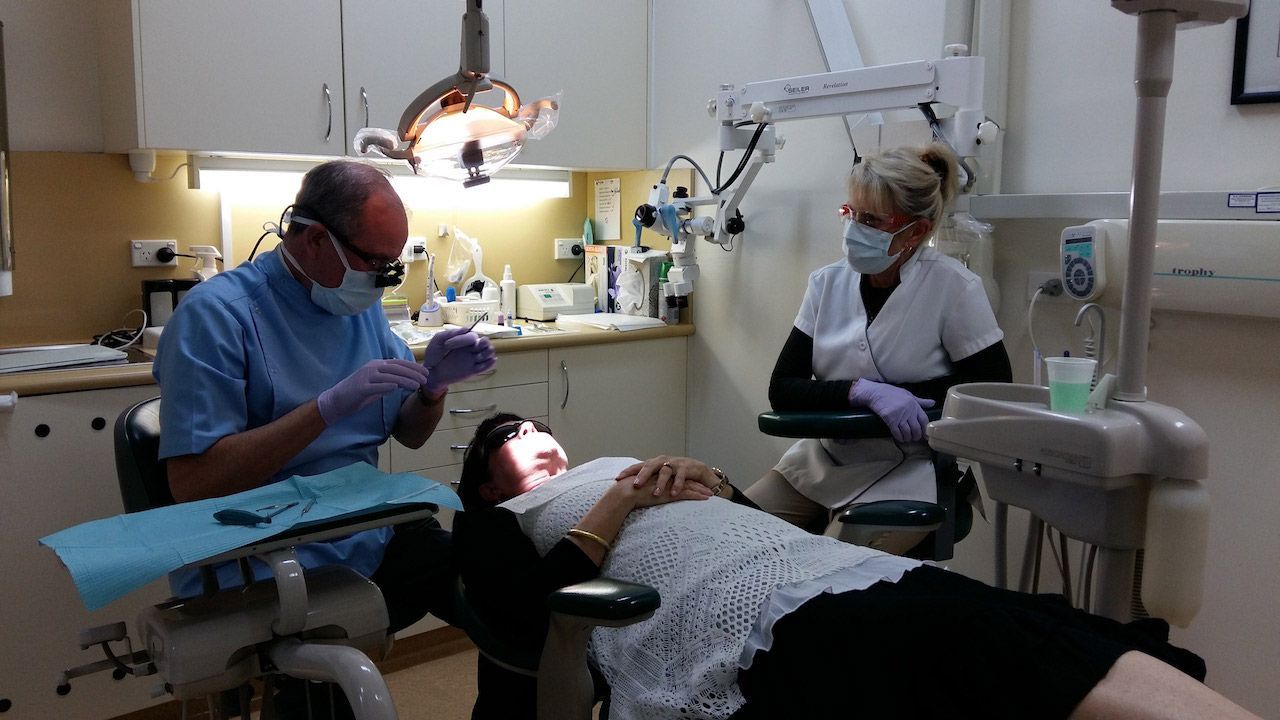
Persistent bad breath is best assessed through a dental examination. A Moss Vale dentist can evaluate teeth, gums, tongue, and overall oral health to determine what may be contributing to halitosis.
Assessment may involve:
- Reviewing oral hygiene practices
- Checking for gum disease or decay
- Examining the tongue and soft tissues
- Discussing medical history or lifestyle factors
This comprehensive approach helps identify contributing factors that may not be obvious at home.
Professional Treatments That May Be Recommended
Depending on the cause, a dentist may recommend professional treatments to help manage bad breath.
These may include:
- Professional cleaning to remove plaque and tartar
- Gum treatment to address inflammation
- Advice on tongue cleaning techniques
- Restorative care for damaged teeth
Treatment plans are tailored to individual needs and focus on improving oral health rather than masking symptoms.
The Importance of Regular Dental Visits
Routine dental visits play an important role in preventing and managing bad breath. Regular check-ups allow potential issues to be identified before they progress.
Benefits of ongoing dental care include:
- Early detection of gum disease
- Monitoring of oral hygiene effectiveness
- Maintenance of healthy teeth and gums
- Support for long-term oral freshness
Seeing a Moss Vale dentist regularly supports both oral health and confidence.
When Bad Breath May Have Non-Dental Causes
In some cases, bad breath may be linked to factors outside the mouth, such as sinus issues, digestive concerns, or certain medical conditions. A dental assessment can help determine whether referral to another health professional may be appropriate.
Understanding whether halitosis is dental or non-dental in origin helps guide next steps.
Addressing Bad Breath With Professional Support
Persistent bad breath can be frustrating, but it is often manageable with the right care. Identifying the cause is key to finding a solution that supports overall oral health rather than relying on short-term fixes.
A dentist Moss Vale residents trust can provide clarity, guidance, and appropriate care options tailored to individual needs.
Speak With a Local Dental Team
We at Advanced Dental support patients seeking answers about bad breath and overall oral health. If you are experiencing ongoing concerns and would like guidance from a Moss Vale dentist, our team can help assess potential causes and discuss suitable care options.
To learn more or
book an appointment, visit
https://advanceddental.net.au/ and speak with our team about managing bad breath and maintaining a healthy smile.