Scared Of The Dentist? Here's How We Make Visits Stress-Free
Advanced Dental • August 11, 2026
Dental anxiety is one of the biggest reasons people put off treatment and it's more common than most patients realise. If you've been avoiding the dentist in Moss Vale because of past bad experiences or simple nerves, a calmer visit is entirely possible with the right clinic and the right approach.
Why So Many Moss Vale Patients Feel Anxious About Dental Visits
Dental fear rarely comes from nowhere. It usually builds up over time, a rushed appointment years ago, a painful procedure, or even just the sound of a drill in a waiting room. For some patients, it's tied to a general dislike of feeling out of control while someone works in their mouth.
Whatever the cause, the result is the same: appointments get delayed, small issues turn into bigger ones and the whole cycle becomes harder to break. A good dental clinic in Moss Vale should recognise this pattern and actively work against it, rather than expecting anxious patients to simply push through.
How Our Moss Vale Dental Clinic Creates a Calmer Experience
A stress-free visit starts well before you sit in the chair. From the first phone call, our team talks through what to expect, answers questions honestly and never rushes a patient who needs a moment to settle in.
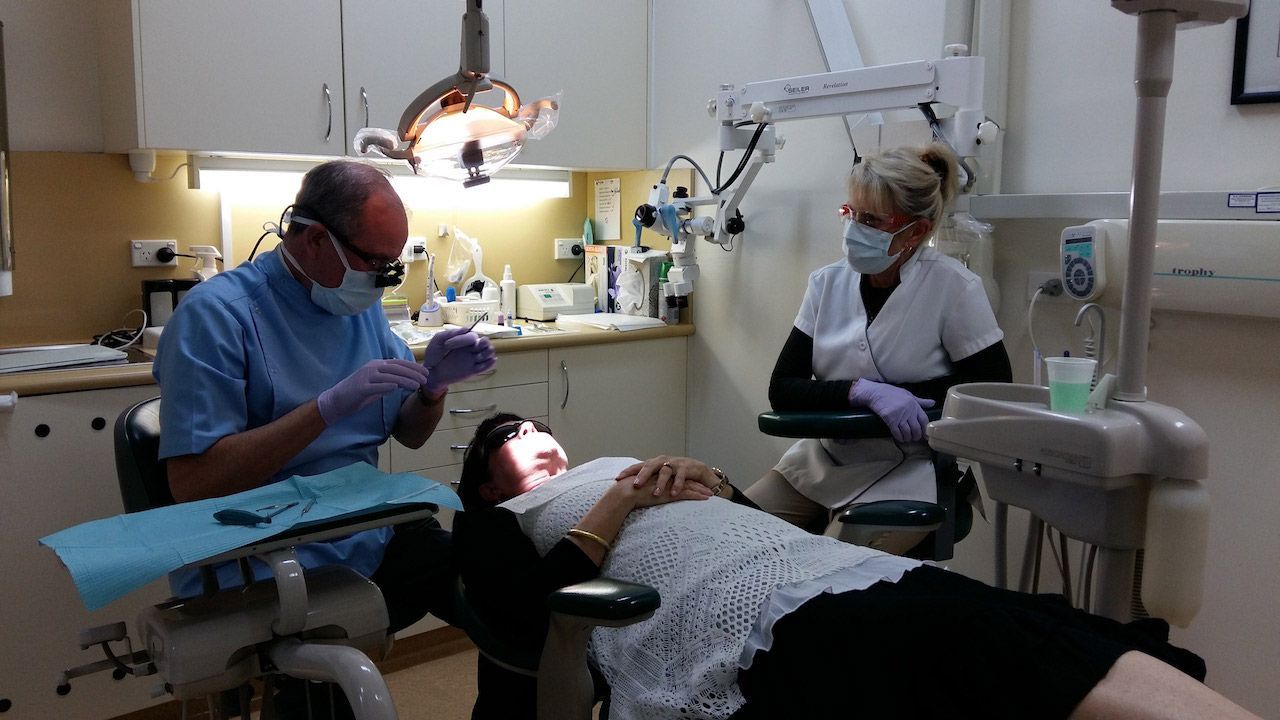
In the clinic itself, small details matter. A quiet, unhurried waiting area, a dentist who explains each step before doing it, the option to pause at any time with a simple signal. These aren't add-ons, they're standard practice for treating anxious patients with genuine respect.
We also encourage patients to bring headphones, a support person or anything else that helps them feel more comfortable. There's no one-size-fits-all approach to easing dental anxiety, so we adjust to what actually works for the person in front of us.
What Pain-Free Techniques Look Like in Practice
Modern dentistry has moved a long way from the discomfort many people associate with dental work. Techniques such as gentle local anaesthetic application, slower-paced procedures and clear communication throughout treatment all reduce the physical and psychological discomfort patients feel.
For example, a patient who hasn't had dental work done in years might come in expecting sharp pain at every stage. Instead, the appointment moves at a pace they control, with breaks offered before they're needed rather than after discomfort sets in. That shift, from reactive to proactive comfort, is often what changes a patient's whole relationship with dental visits.
Numbing gels before injections, warmed instruments and a dentist who checks in regularly all contribute to a far more comfortable appointment than many nervous patients expect.
What to Expect at Your First Visit
First visits are often the hardest step for anxious patients, so knowing what happens can take away a lot of the uncertainty.
- A relaxed introduction. Before any examination, your dentist will talk with you about your concerns, your dental history and anything specific that makes you nervous.
- A gentle check-up. The first visit usually focuses on assessment rather than treatment, so there's no pressure to agree to anything on the spot.
- A clear plan. If treatment is needed, it's explained in plain language, along with realistic options & timeframes.
- A follow-up at your pace. Nothing is scheduled without your input, so you stay in control of what happens next.
This structure gives nervous patients room to build trust before committing to any procedure.
How Personalised Care Helps Nervous Patients Feel in Control
Anxious patients often respond better to care that adapts to them, rather than a standard process applied to everyone. That might mean shorter appointments split across multiple visits, extra time spent explaining each instrument before it's used or simply a dentist who remembers what worked well last time.
Personalised care also means listening. If a patient says a certain sound or sensation triggers their anxiety, that feedback shapes how the appointment is run going forward. Over time, this builds the kind of trust that makes future visits noticeably easier.
When Should You See a Dentist Even If You're Anxious?
Some signs shouldn't wait, even for patients who find visits difficult. Persistent tooth pain, swelling, bleeding gums or a broken tooth all need attention sooner rather than later, since delaying treatment usually makes the underlying issue harder and sometimes more uncomfortable to fix.
If you're due for a routine check-up but have been putting it off out of fear, that's also worth addressing directly with your dentist rather than continuing to avoid it. A short conversation about your concerns before booking can make the appointment itself far less daunting.
Ready for a More Comfortable Dental Visit?
You don't have to keep putting off the care you need. Get in touch with Advanced Dental today and let our Moss Vale team know about your concerns before you even book. We'll work with you to make your next visit as calm and comfortable as possible.
Frequently Asked Questions
Is sedation available for anxious patients?
Many clinics offer options to help nervous patients feel more relaxed during treatment. It's worth discussing what's suitable for your situation directly with your dentist before your appointment.
Will my dentist judge me for avoiding check-ups?
No. Dental teams who regularly treat anxious patients understand that avoidance is a common response to fear, not a personal failing and focus on moving forward rather than dwelling on the gap between visits.
Can I bring someone with me to my appointment?
Yes. Having a support person in the waiting room or even in the treatment room where appropriate, is a simple way to feel more at ease.
What if I need to stop mid-procedure?
A good dentist will agree on a signal with you beforehand, such as raising a hand, so you can pause the procedure at any point without needing to speak up mid-treatment.
How long does it take to get more comfortable with dental visits?
This varies from person to person. Many patients notice a real difference after just one or two calm, unhurried appointments, especially once they know what to expect.
Do I need X-rays on my first visit?
Not always. Your dentist will assess what's needed based on your dental history and current concerns and will explain the reasoning before any X-rays are taken.